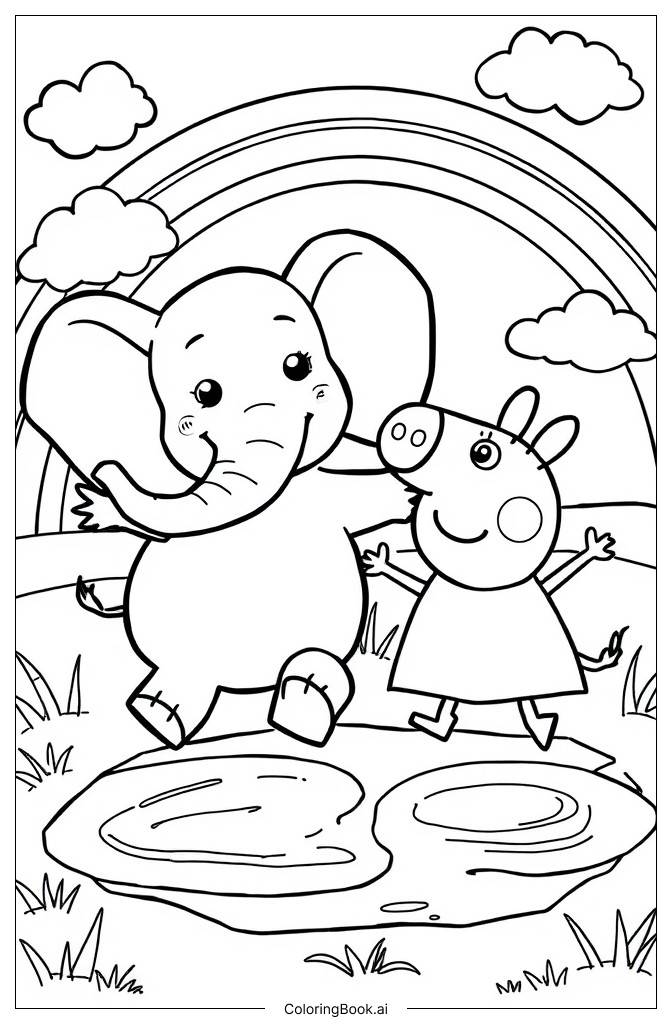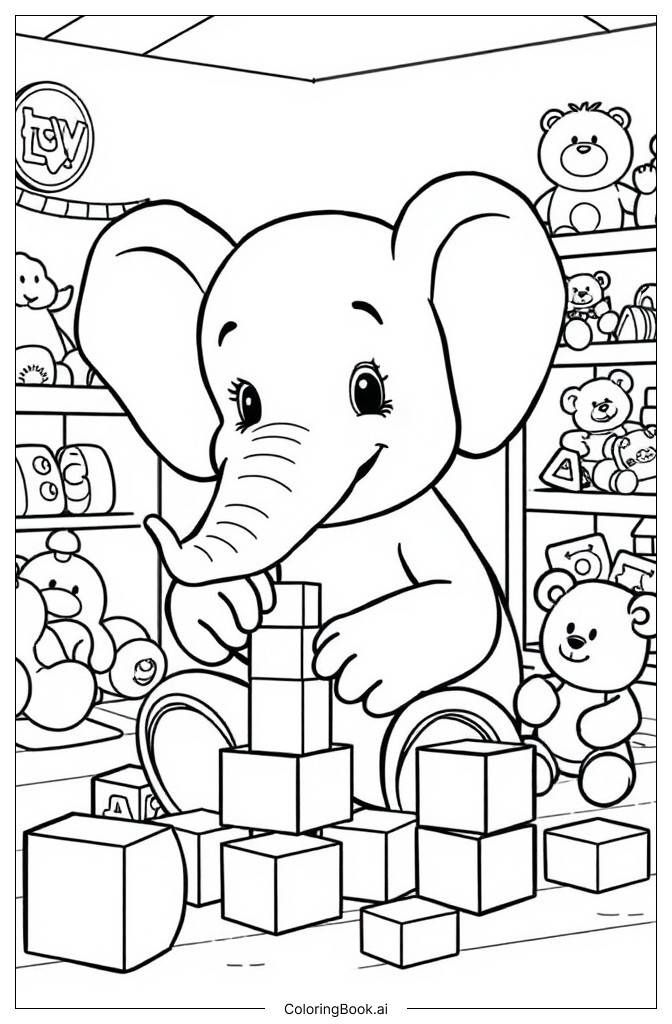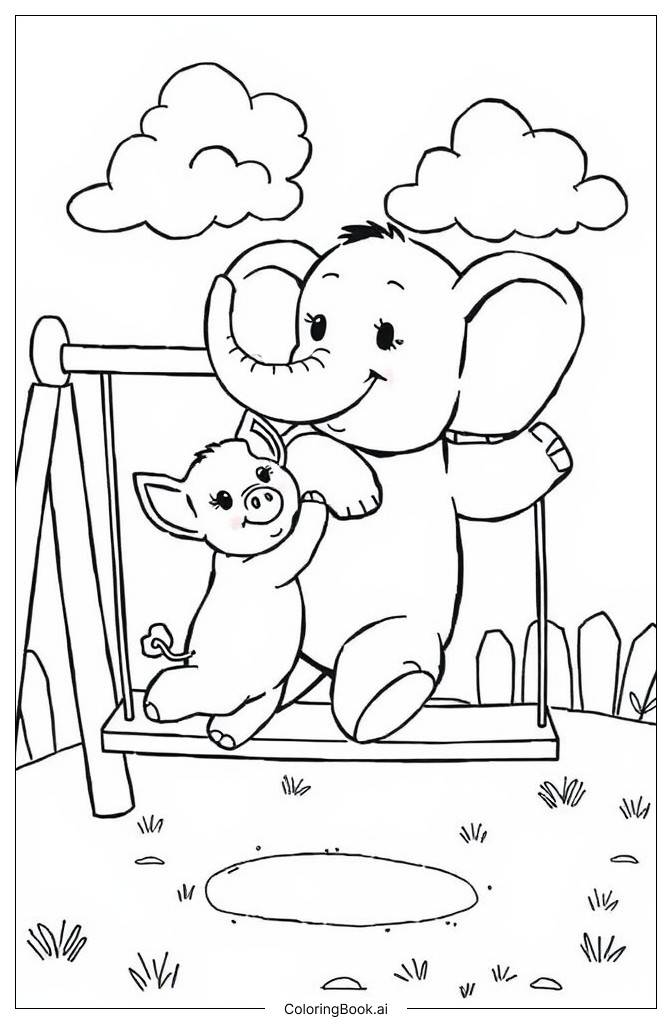
Coloring tips: How to color African Elephant coloring page well?
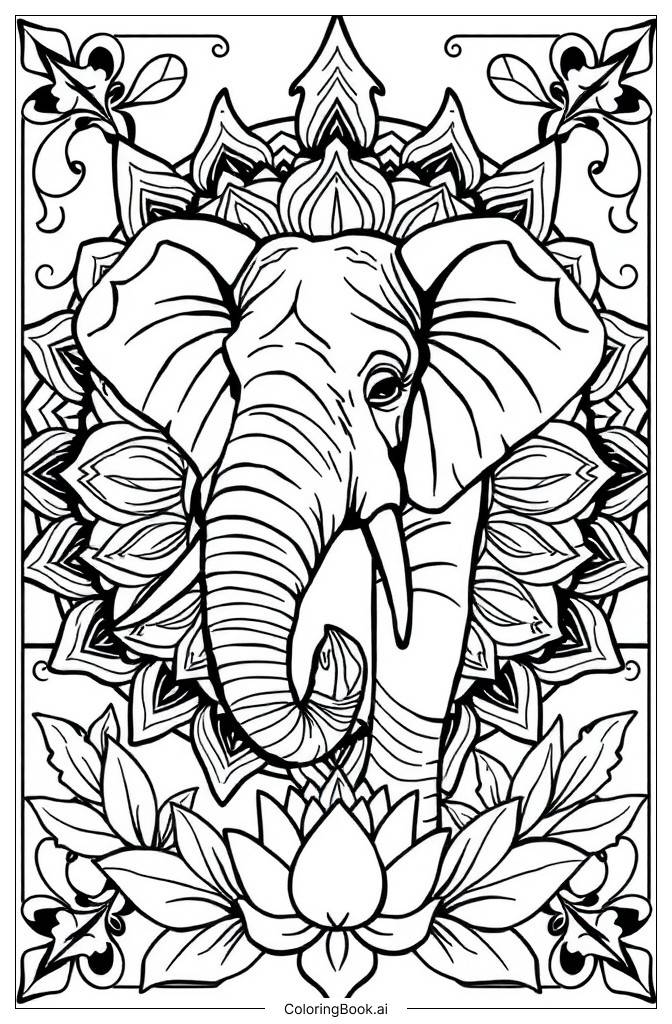
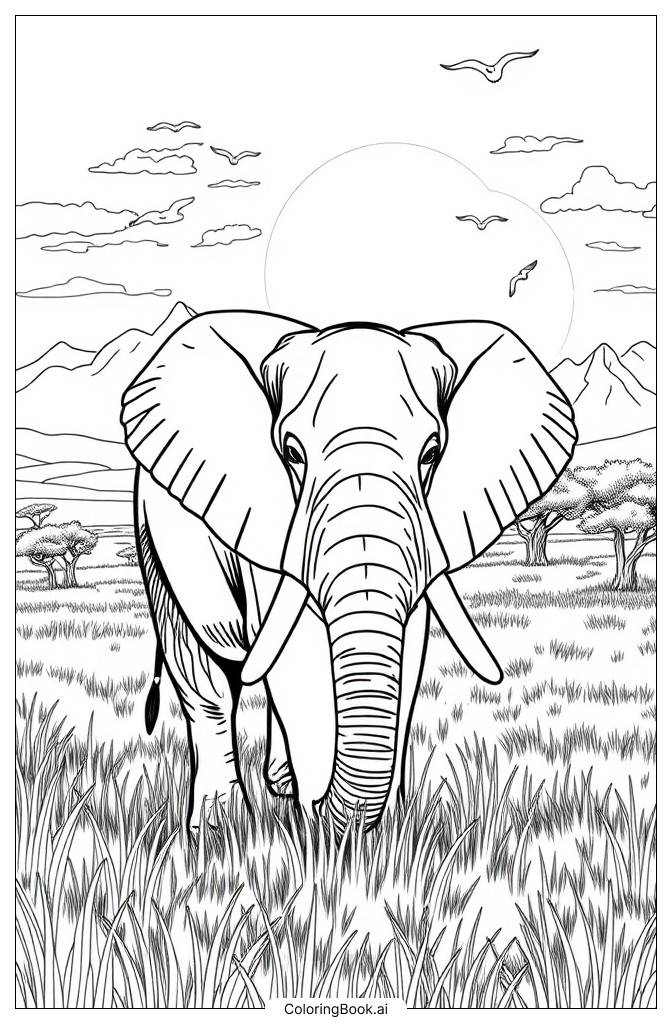
Use warm grays and browns for the elephant’s skin to show its rough texture. Adding some lighter gray highlights can bring out the wrinkles. The tusks can be colored ivory or pale cream to stand out. For the background, try leafy greens and soft yellows to represent grass and bushes in the savanna. You might also add a bright blue sky to contrast with the elephant’s earth tones. Encourage using different shading techniques to give depth, like darker shades under the elephant’s belly and lighter tones on top where sunlight hits. Don’t forget to color the eyes with soft browns or blacks to make the elephant look lively and friendly.
Coloring challenges: Which parts are difficult to color and need attention for African Elephant coloring page?
• Detailed Skin Texture: The elephant’s skin has many wrinkles and folds that require careful coloring to show depth and texture without making it look messy.
• Large Surface Areas: The elephant’s body covers much of the page, meaning consistent coloring over big areas to avoid patchiness is important.
• Tusks and Trunk: The curved tusks and trunk have subtle shading, making it challenging to balance light and shadow realistically.
• Background Simplicity: The sparse trees and grass in the background need to be colored in a way that complements but does not distract from the elephant.
• Maintaining Contrast: Using multiple shades to differentiate parts like ears, legs, and body helps the image pop but requires attention to color blending and transitions.
Benefits of coloring books: Advantages of drawing African Elephant coloring page
Coloring this African Elephant helps improve focus and fine motor skills as children carefully stay within detailed lines and manage shading. It encourages creativity by letting kids experiment with colors for natural textures and backgrounds. The image increases awareness and appreciation of wildlife, fostering empathy for animals and their habitats. Working on large and small areas builds patience and concentration, which are useful in many learning activities. Finally, coloring such an iconic animal promotes a connection to nature and supports early education about biodiversity and conservation.