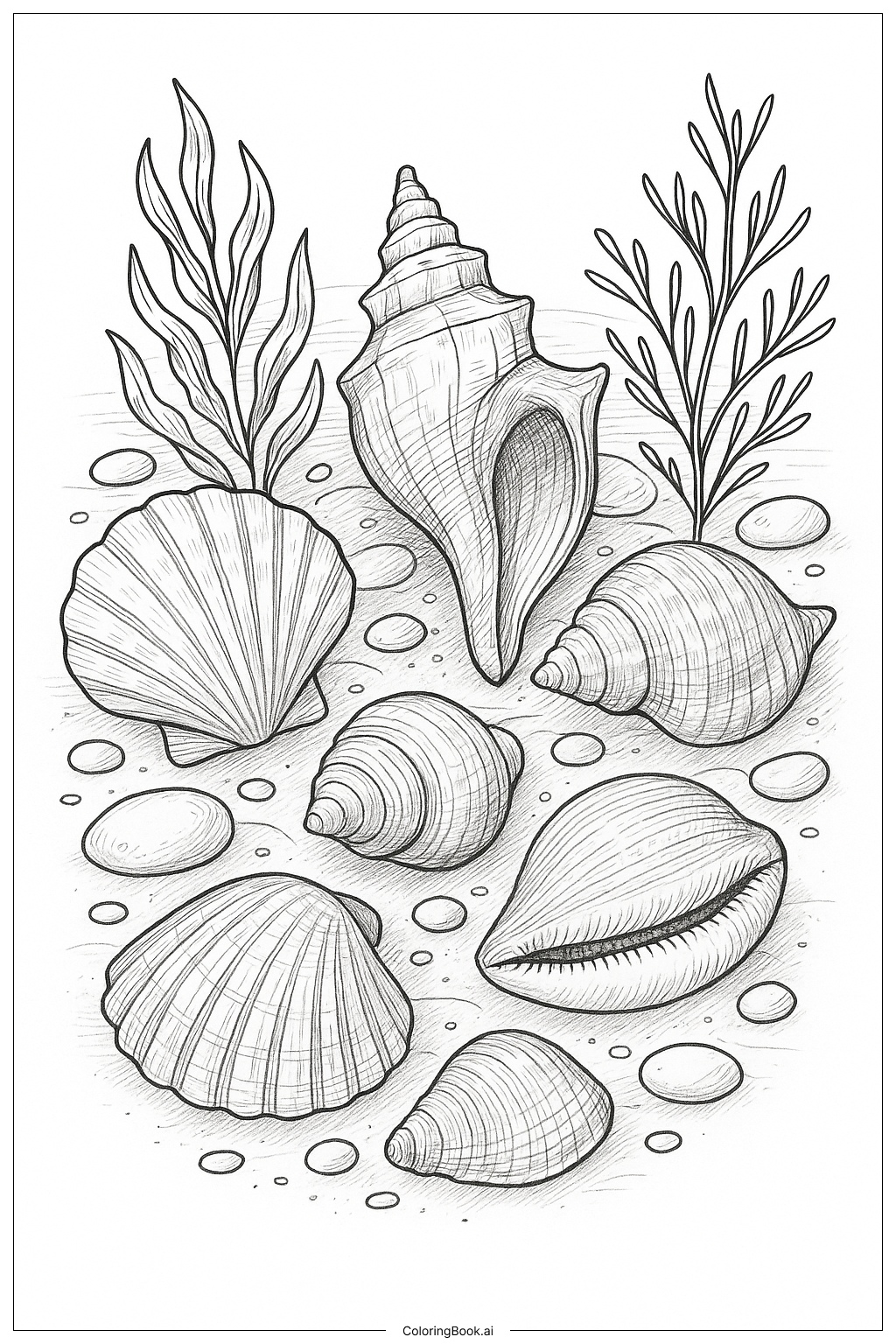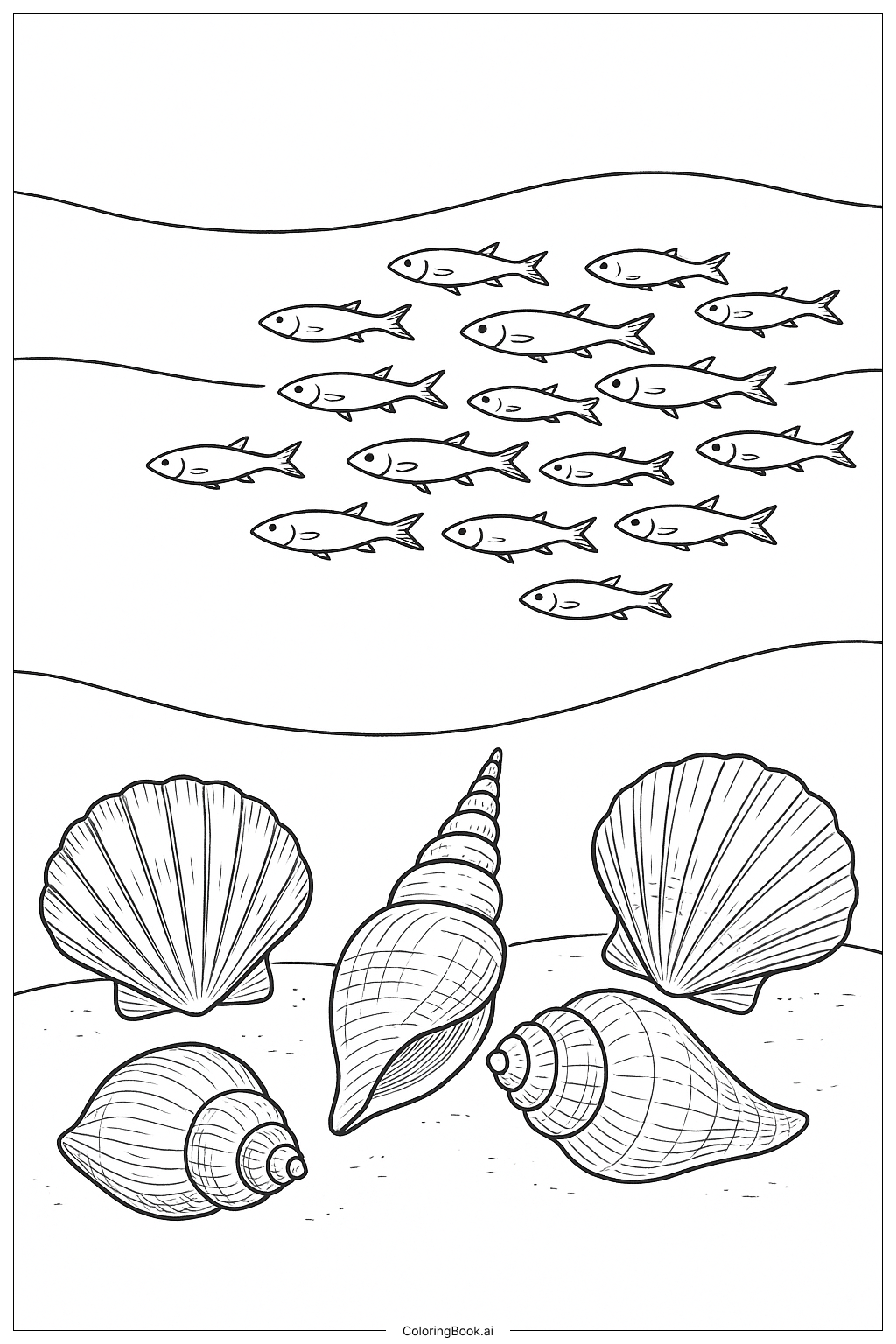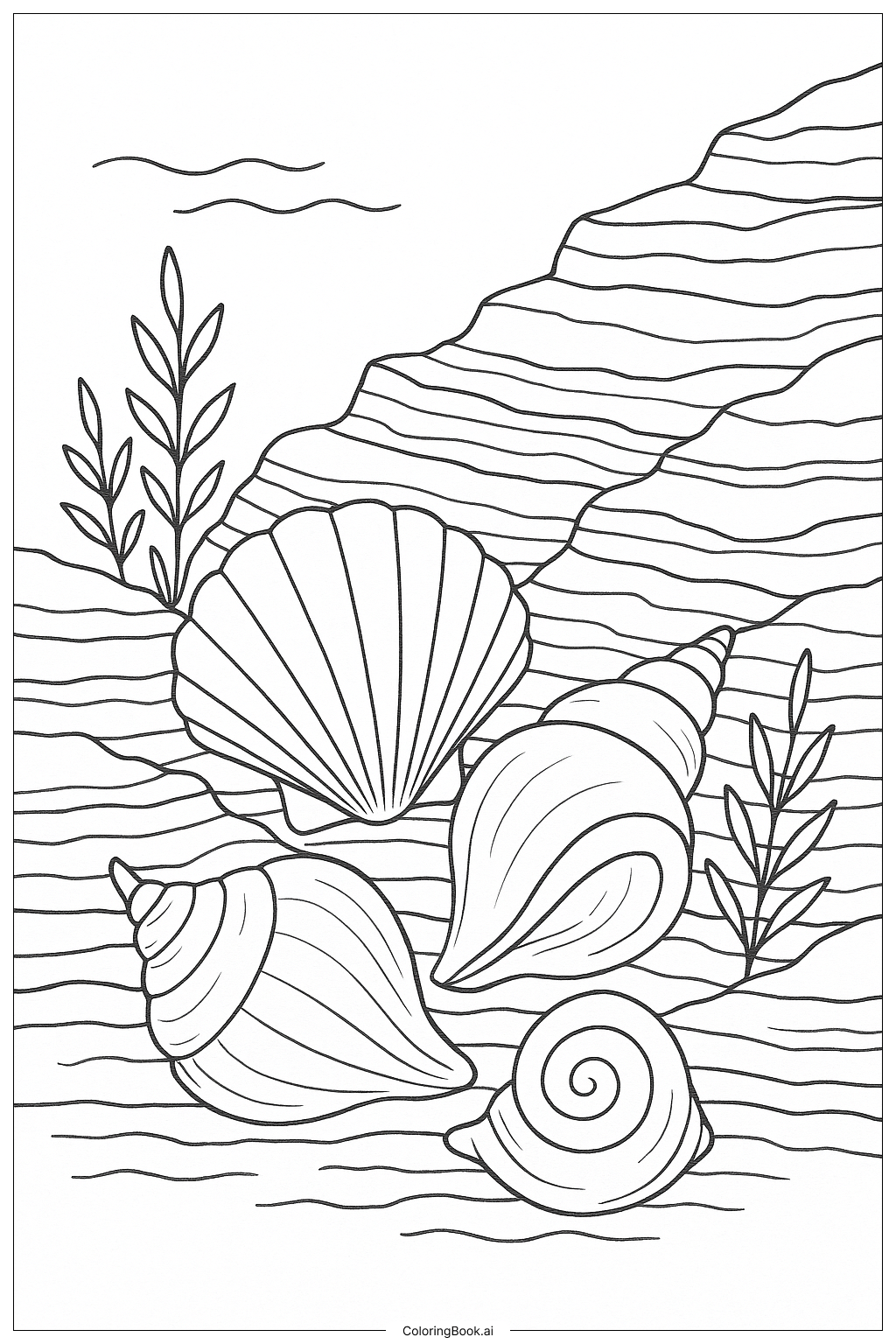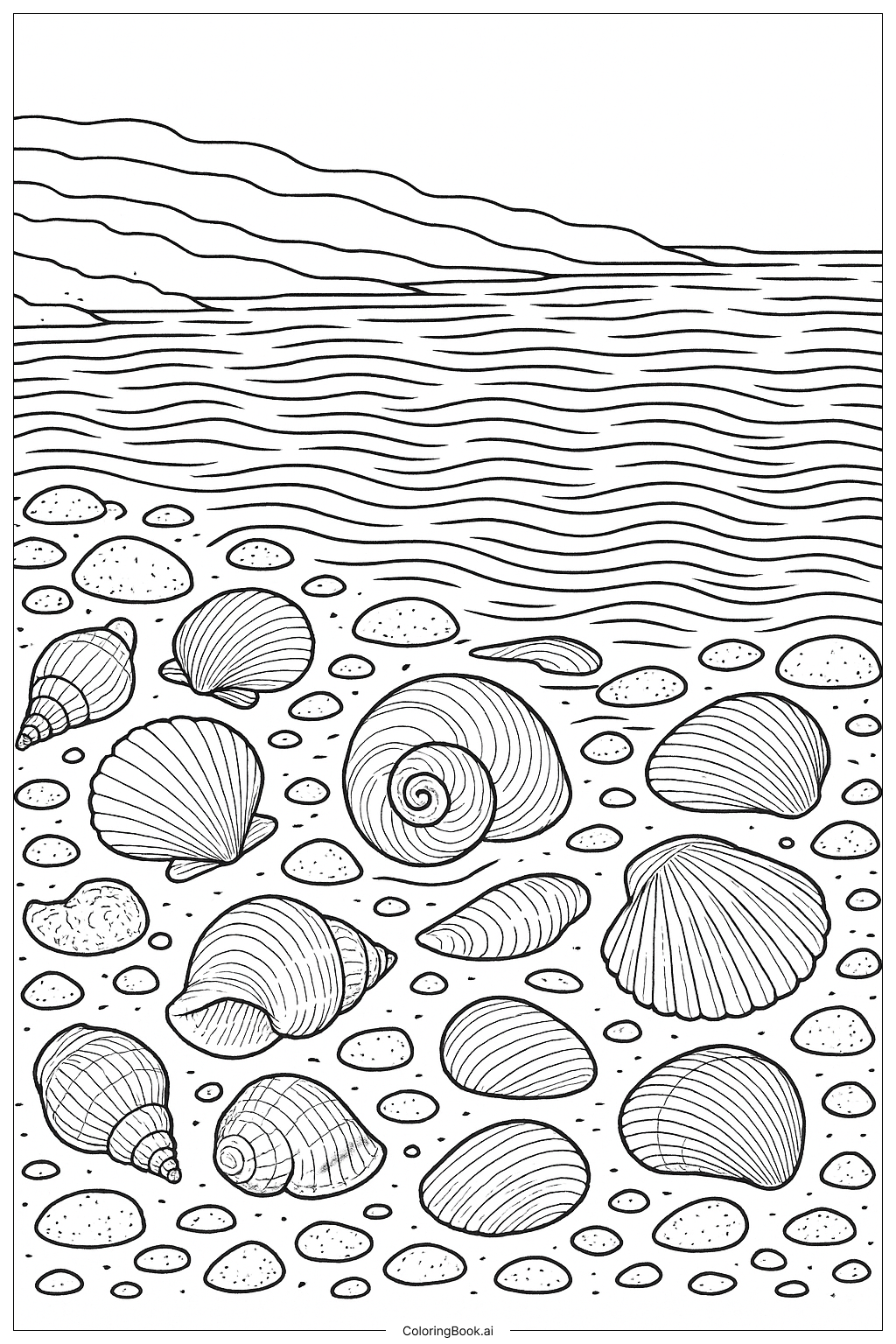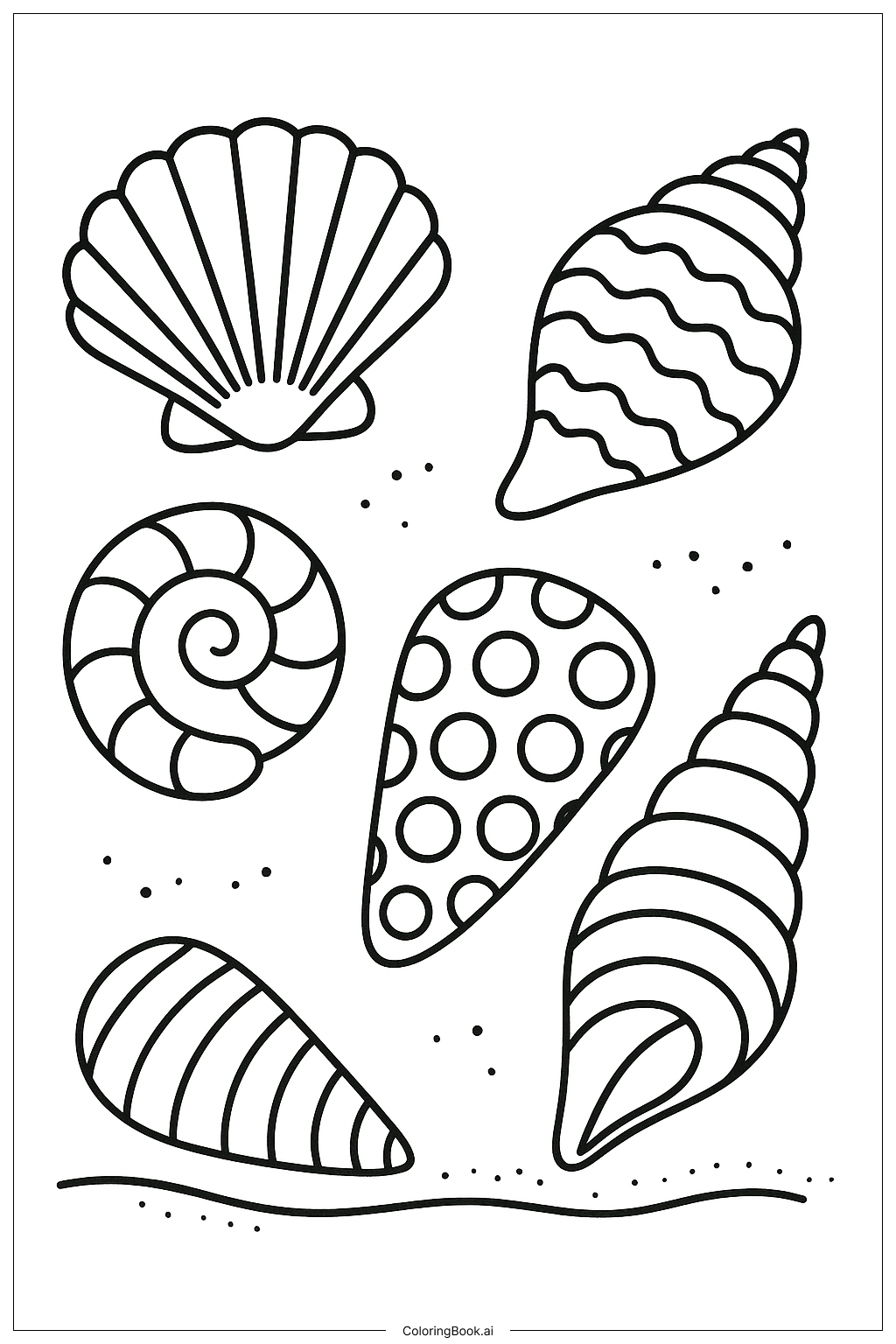
Coloring tips: How to color Sea Shells With Shell Patterns coloring page well?
Start by choosing a soft, ocean-inspired color palette. Think sandy beiges, warm creams, soft pinks, coral oranges, and ocean blues. These colors will make your shells look natural and beautiful.
Pick one shell at a time and color all its sections before moving to the next. This keeps your work organized and neat.
For the spiral patterns, try using two or three shades of the same color. Use the lighter shade first, then add a darker shade along the edges or in the deeper grooves. This creates a sense of depth and makes the shell look three-dimensional.
Use sharp colored pencils for the tiny detail areas. Crayons or thick markers may be too wide for small spaces.
Leave some sections slightly lighter or even white to suggest where light hits the shell. This simple trick makes the whole image look more realistic and lively.
Do not feel like you have to make every shell the same colors. Mix it up! Try a pink shell next to a blue one, or a golden shell beside a purple one. Have fun and make it your own.
Coloring challenges: Which parts are difficult to color and need attention for Sea Shells With Shell Patterns coloring page?
• Intricate Shell Patterns: Each shell features fine spiral lines, ridges, and geometric shapes that require a steady hand and precision. Coloring within these tiny sections without going over the lines can be tricky, especially for younger children. Taking your time and using sharp-tipped colored pencils will help you stay neat.
• Maintaining Color Consistency: Because the shells contain repeating pattern sections, keeping colors consistent across the entire design can be challenging. If you plan to alternate colors in a pattern, it helps to lightly sketch your color plan before you begin to avoid mistakes.
• Layering and Shading: To make the shells look realistic and three-dimensional, you may want to add shading or blend colors. This requires some practice, as applying too much pressure can create uneven patches or make the paper pill up. Building color gradually in thin layers gives the best result.
• Small Detail Areas: Some shells have very small sections near the tip or along the edges where a standard marker or crayon may be too thick to fill cleanly. Fine-tipped tools or sharpened pencils work best for these spots.
• Choosing a Harmonious Color Palette: With multiple shells on the page, selecting colors that look good together without making the image feel too busy takes some planning. Sticking to a limited palette of ocean-inspired colors — such as soft blues, sandy tans, coral pinks, and warm whites — can help unify the overall look of the finished piece.
Benefits of coloring books: Advantages of drawing Sea Shells With Shell Patterns coloring page
Coloring this Sea Shells With Shell Patterns page offers wonderful benefits for kids and adults alike. It helps children develop fine motor skills as they carefully fill in the small, detailed areas of each shell. Concentrating on intricate spiral and geometric patterns builds focus and patience — skills that carry over into school and daily life. The repetitive nature of coloring shell patterns can be calming and meditative, helping to reduce stress and anxiety. Choosing colors for each section encourages creative thinking and builds confidence in making artistic decisions. Kids also learn about natural shapes, symmetry, and patterns found in the ocean world. For older children and adults, this page provides a satisfying artistic challenge that rewards careful attention to detail. Sharing the finished artwork with others builds a sense of pride and accomplishment. Overall, this is a joyful, enriching activity for the whole family.